
- All
- Product Name
- Product Keyword
- Product Model
- Product Summary
- Product Description
- Multi Field Search
English

Understanding the Importance of Folding Carton Boxes
Proper folding of carton boxes is essential for maximizing storage space. When not folded, cartons can take up unnecessary space and be difficult to transport.
Well-folded boxes make transportation easier by ensuring that they stack neatly, saving time and effort during the packing and shipping processes.
Folding the boxes correctly improves their durability. A properly folded box maintains its structural integrity and can handle more weight and pressure, especially when storing heavy items.
Overview of the Process
This guide provides you with a detailed breakdown of how to fold a carton box step by step. By the end of this guide, you will have a solid understanding of the correct methods for folding and securing a box, and avoiding common mistakes.
Carton Box: Carton boxes come in various sizes and types. It's essential to choose the right size for the items you're storing or shipping. A box that is too large may cause items to shift around, while a box that is too small might not be able to hold everything properly.
Scissors or Box Cutter: While most cartons are pre-scored and ready to fold, a box cutter may be required if adjustments are needed or to trim any rough edges or excess cardboard.
Packing Tape: This is essential to seal the box securely, ensuring it holds up during storage or shipping. Use a durable, high-quality packing tape that can handle weight without coming undone.
Flat Surface: A stable, flat surface is necessary for precise and effective folding. A clean and level surface ensures that the folds are straight and that the box stays properly aligned.
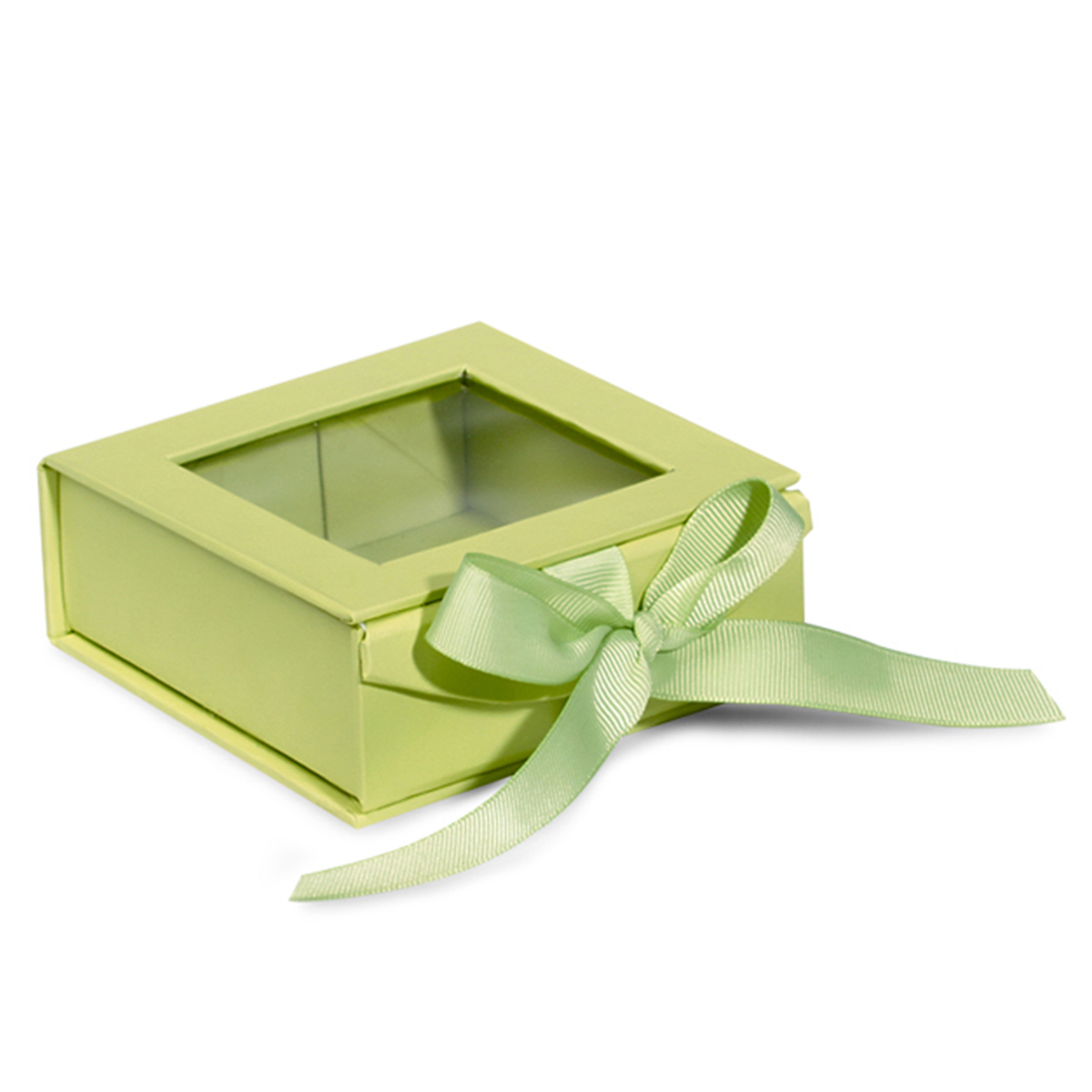
Unfold the Box: Start by carefully unfolding the carton box so that all its edges are visible. Flatten it out to get an even surface for the next steps.
Inspect for Damage: Before you begin folding, check the carton box for any pre-existing damage such as creases, tears, or punctures. Damaged boxes are more likely to break when loaded with items, so make sure to repair or replace any compromised boxes.
Positioning the Box: Place the box on a flat surface with the opening facing upward. This ensures that you start folding from the right side, making the process easier and more efficient.
Bring in the Longer Sides: Begin by folding in the longer sides ofthe box. This gives the box a strong structure and ensures that the corners are well-formed.
Align the Edges: Carefully align the edges of the box to avoid any misalignment that could weaken the structure. A crooked fold might lead to weak spots that could tear under pressure.
Fold the Flaps: Fold in the bottom flaps, ensuring that they are even and flush with each other. A well-folded bottom is essential for the box to hold weight effectively.
Taping the Bottom: Once the bottom flaps are folded, use packing tape to seal them securely. Apply a strip of tape along the crease and over the center of the flaps to prevent them from opening during transportation or storage.
Creating Even Folds: Make sure the top flaps are folded neatly and evenly. If the top flaps do not align properly, the box may not stay closed.
Sealing the Top: After folding the top flaps, tape them securely. Use sufficient packing tape to ensure that the box stays closed and protected during handling.
Reinforcing the Box: If you plan to store or ship heavy items, consider reinforcing the box with extra tape on the sides and top. This provides additional strength and ensures the box holds up under pressure.
Tightening the Structure: Give the folded box a gentle squeeze to ensure all parts are tightly secured. Double-check the corners and edges to make sure they are firm and secure. If there are any loose sections, apply extra tape to reinforce them.
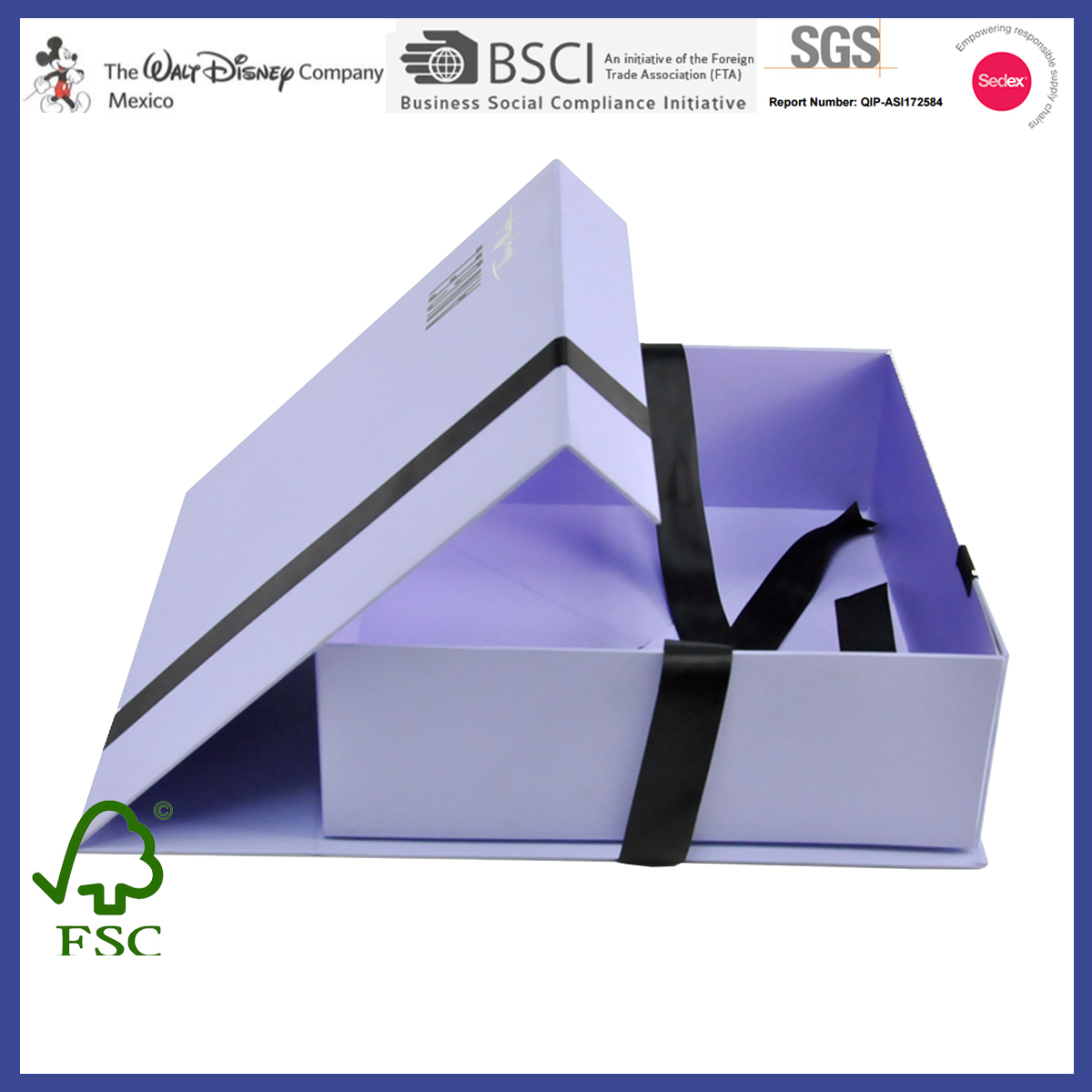
Why Proper Alignment is Crucial: When the box is not aligned correctly, it can cause uneven folds that lead to weak spots. Misalignment might result in the box failing to hold weight and shape.
The Right Amount of Tape: Using too much tape can waste resources and make the box unnecessarily bulky, while too little tape may fail to properly secure the box. Always use enough tape to cover the necessary areas—bottom flaps, corners, and top—without overdoing it.
Inspecting for Pre-existing Damage: Not checking the box for damage before folding is a common mistake. Always ensure the carton is in good condition to avoid problems later.
Batch Folding: If you have many boxes to fold, consider folding them in batches. This allows you to streamline the process and save time, especially if you're preparing multiple boxes for storage or shipment.
Creating a System: Set up a system for folding the boxes in an organized manner. Stack unfolded boxes nearby, so you can quickly grab the next one to fold, reducing downtime.
Proper Labeling: After folding and sealing the boxes, label them with key information such as contents, destination, or storage instructions. Clear labeling ensures that you can quickly identify what’s inside each box without opening it.
Stacking for Storage: When storing folded boxes, stack them flat in a dry, cool area to prevent any deformation. Ensure the boxes are organized by size and type for easy access when needed.
Techniques for Larger Boxes: Larger boxes often require extra care during folding to ensure that they hold up under heavier items. It may help to fold one flap at a time, ensuring that each side is aligned correctly before moving to the next.
Tips for Small Boxes: Smaller boxes are easier to fold but require precision to avoid crooked edges. A simple fold and tape method can be used for small, lightweight items.
Boxes with Irregular Shapes: If you are working with boxes that have unique shapes (triangular, hexagonal, etc.), use a similar folding technique but make sure to adjust your folds to match the irregular angles of the box. Custom-shaped boxes may require some trial and error, but they can be folded effectively with patience.
The Importance of Proper Folding: A well-folded carton box ensures durability, stability, and proper organization. Mastering the technique will save you time and money in the long run, making packing, storing, and shipping much more efficient.
Final Thoughts on Box Folding Efficiency: With practice, you can become more efficient in folding carton boxes. Whether for personal use or business, knowing the correct folding techniques will make a noticeable difference in the way you organize and manage your items.
A: Yes, folded carton boxes can be reused multiple times, provided they are not damaged during the folding process.
A: Store folded boxes in a dry, cool place. Keep them stacked flat to prevent any distortion or damage.
A: If the box holds its shape, closes securely with the top and bottom flaps sealed tightly, and can bear weight without any signs of breaking, you’ve folded it correctly.
A: No special training is required, but understanding the proper technique and practicing will ensure the best results.


